New or Enhanced Power Plans

Related Results

Autotext Sharing Tool

New Laboratory Add On Order Process
Currently on hold. New go live dates to come at a later date
When ordering Lab Testing for samples already in the Lab, order the test with a Priority of Lab Add On:
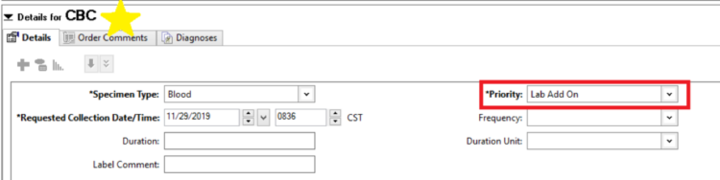
*For efficiency, choose (none) for the Order Sentence
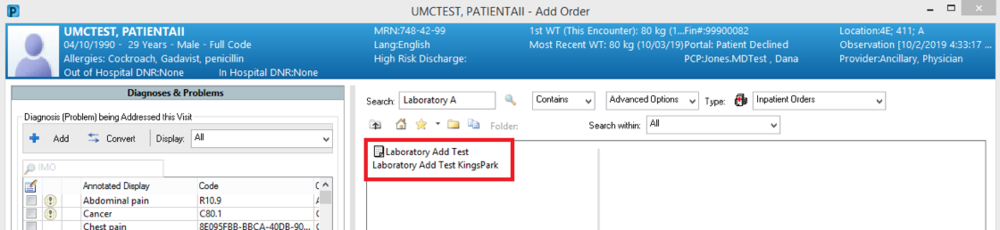
Orders for Laboratory Add Test and Laboratory Add Test KingsPark will no longer be orderable:

Faxing Changes effective January 9th
On January 9th the faxing servers are moving to Kansas City. What does this mean for us?
All faxes going out of the EHR should now include the area code plus the fax number with no dashes, spaces, etc… (i.e. 8065555555). You will need to include all 10 digits even if the fax number is a local number. Do not include the “1” for long distance calling unless it is an international fax. This will be automatically done through the server.
This new process will affect all provider letters, communicable disease report forms and Medical Record Reports. If you have saved favorites in your provider Selection section of the provider letter process your will need to clarify that it is a 10 digit number. If not you will need to correct it or it will fail.
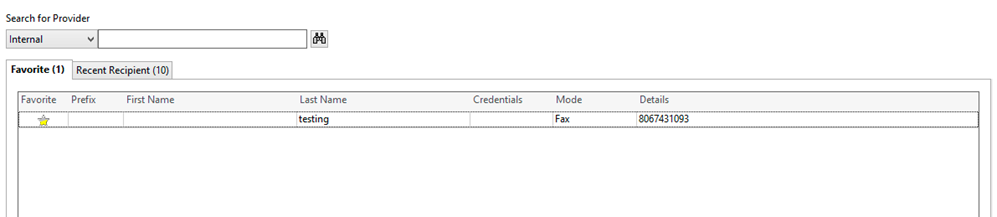
To remove the favorite fax simply click the yellow star, this will remove the information as a favorite. Then it can be re-added under the Add Freetext Recipent button.
If you need help with any of this process please do not hesitate to contact our helpdesk at 743-HELP (4357).
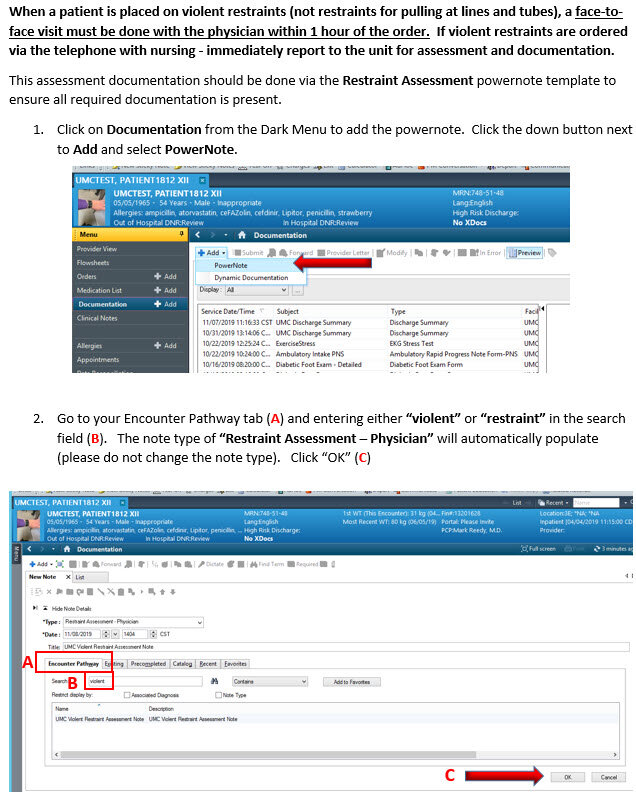
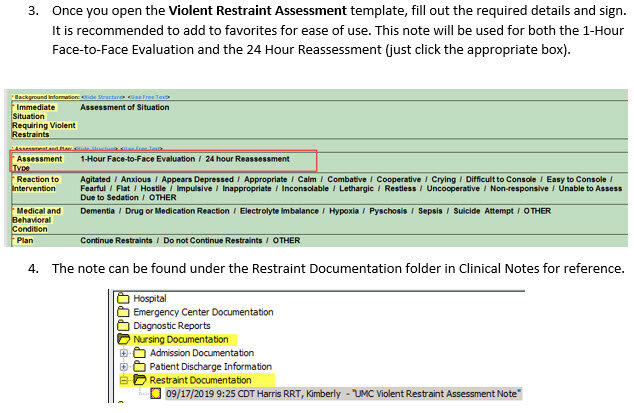
UMC Violent Restraint Assessment - Providers
NCPDP SCRIPT ePrescribing Upgrade
NCPDP SCRIPT ePrescribing Upgrade – 12/10/2019
WHY? CMS has adopted an update to the Medicare Part D electronic prescribing standards from NCPDP 10.6 to NCPDP 2017071 (NCPDP = National Council of Prescription Drug Programs). This requirement has a compliance date of 1/1/2020 and is impactful to any organization that conducts electronic transacting in any of the NCPDP standards in scope of the Part D requirement. UMC will update our ePrescribing standards to the new script on 12/10/2019.
What does this mean for you? On 12/10, you will be asked to log out and back into PowerChart. When you log back in, the upgrade will be complete and you will see the enhancements listed below.
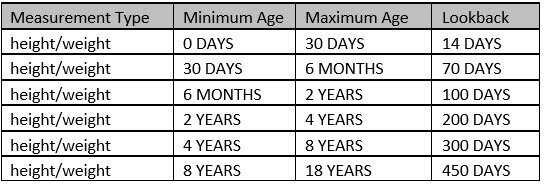
- Transmitting Patient Height and Weight - PowerChart can now support sending a patient’s height and weight on prescriptions. Both pieces of information are always sent when they are available and valid for all patients. The NCPDP SCRIPT standard requires that this information be provided on prescriptions for patients under the age of 18 and the system prevents you from routing a prescription electronically if that information is not available and valid. If the information is not documented or is no longer valid, the system displays a notice on the order scratch pad and in the routing dialogue box. In this case, the height and weight will need to be entered prior to entering the prescription.

- Pediatric physicians across the organization approved the following lookback time periods based on the patient age. For example, a documented weight for an 8-month-old child would only be clinically valid for 100 days. If a provider is trying to send a prescription and the patient has not been seen in the last 100 days, the system will give the error shown above and a weight will have to be entered before the script can be sent.
- Measured height/weight and Estimated height/weight documentation are both acceptable.
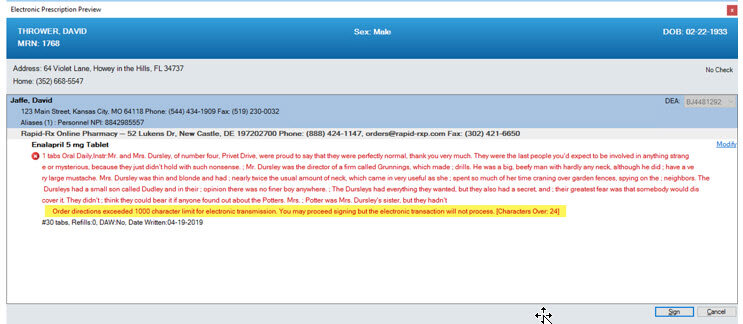
- 1000 Character SIG Support - You can enter a SIG with special instructions up to 1000 characters. If the combination of SIG elements combined with special instructions exceeds 1000 characters, then you cannot route the prescription on the review screen (shown below). If the pharmacy selected in the ordering conversation has not been upgraded, then the system prevents you from exceeding 140 characters on the prescription review screen to ensure the pharmacy can accept your order.
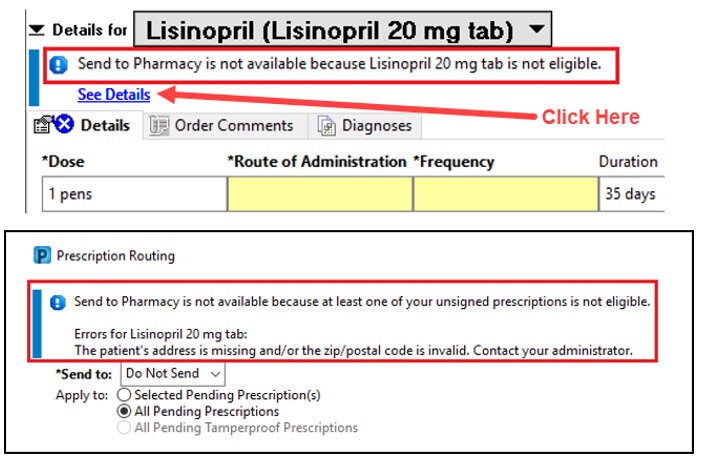
- Enhanced Routing Error Messaging - If an error is present, the system displays an alert in the scratch pad banner and you can click See Details or open the Routing dialogue box to view the specific information. If the error is due to a missing or invalid height and or weight, the system displays that specific error in the scratch pad banner. The error messages encompass all the various reasons why you cannot route orders electronically, whether they be user, patient, facility, or medication specific.
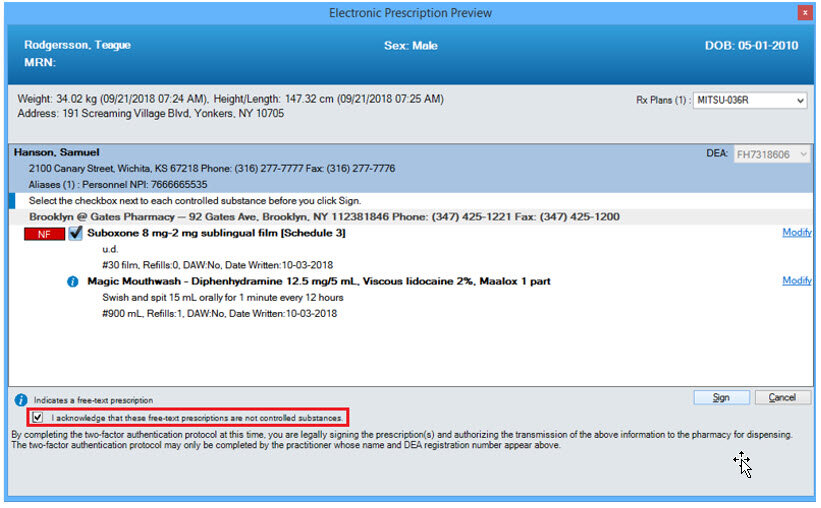
- Prescription Review Screen Updates - A new checkbox has been included at the bottom of the review screen if any free-text prescriptions are included in your ordering conversation. Free-text orders do not meet the DEA’s requirements for transmitting controlled substances and should never include a controlled substance. This box must be selected to indicate that none of your free-text orders contain controlled substances in order to sign the orderable items. If one of the free-text orders does contain a controlled substance then you can select cancel or modify and remove the order from your scratch pad to be ordered correctly with an NDC.
Code Upgrade: ECG Reads in Cerner
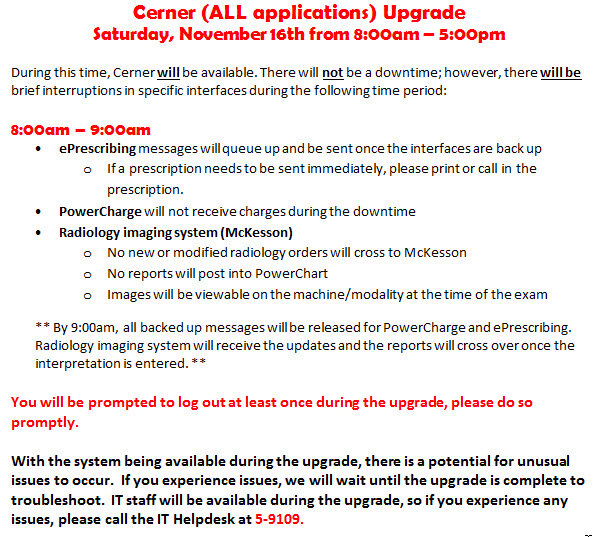
Cerner Upgrade – Changes to the ECG Viewer
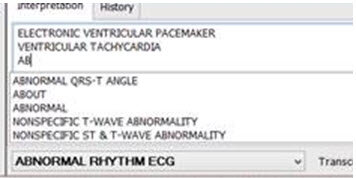
The biggest change with the new ECG viewer is that acronyms (ex. “/afib” or “/ns”) have been replaced with an auto-complete function that will populate a drop-down list as you type:
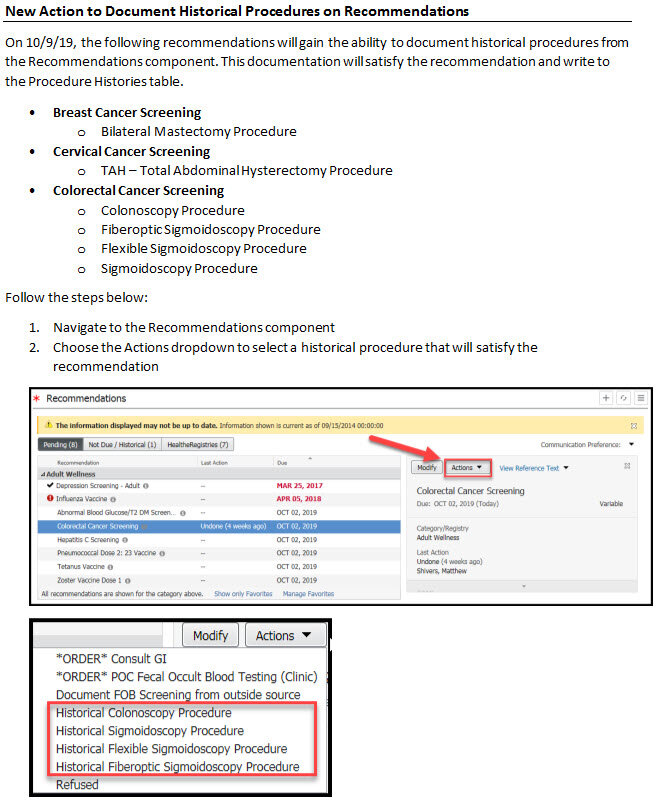
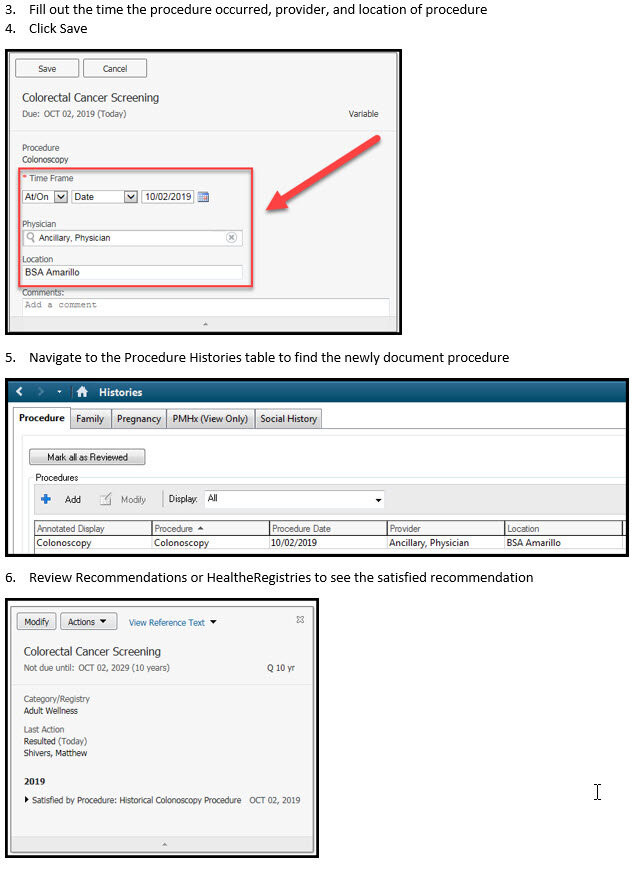
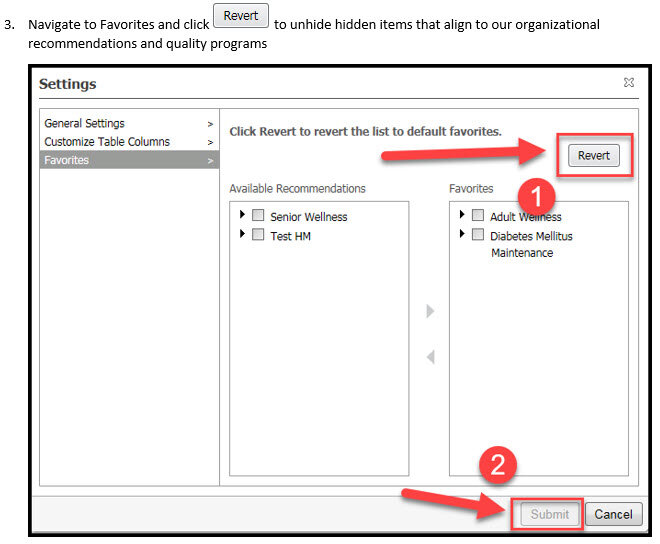
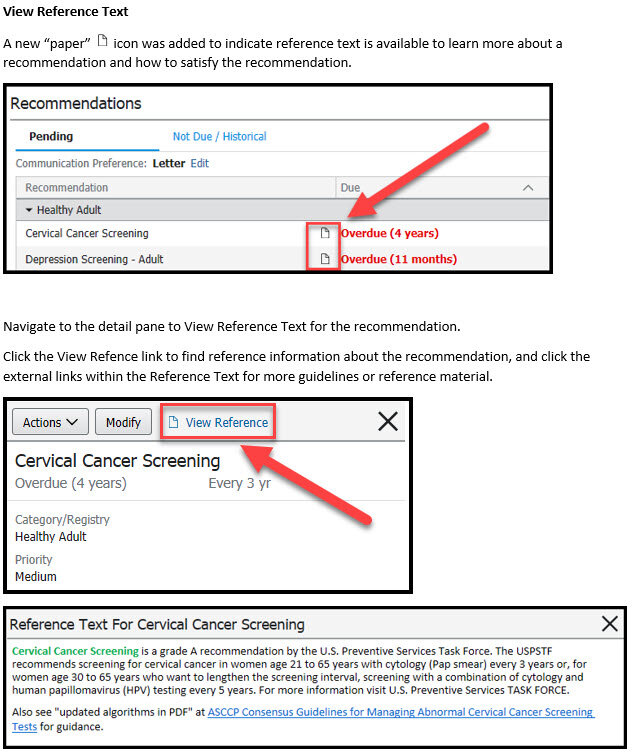
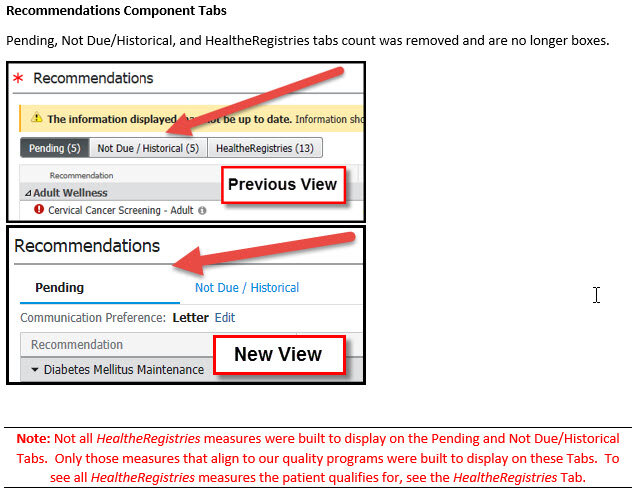
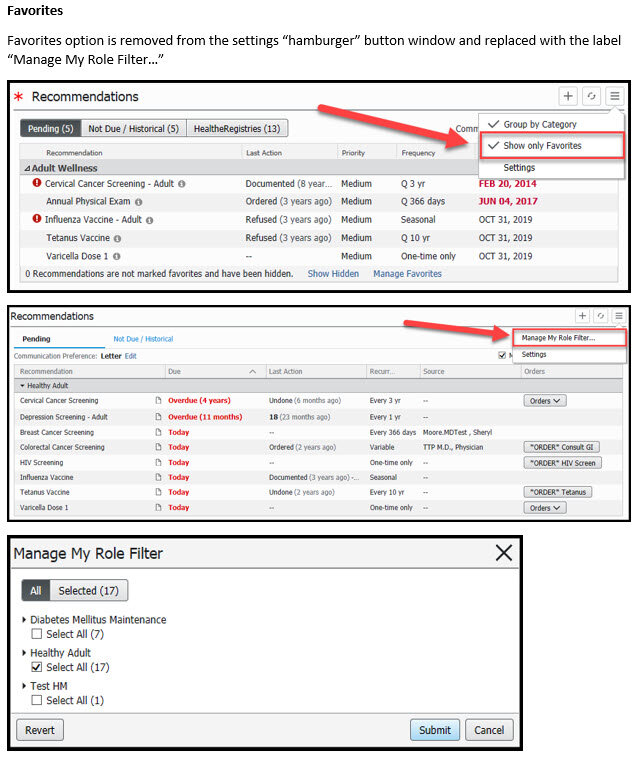
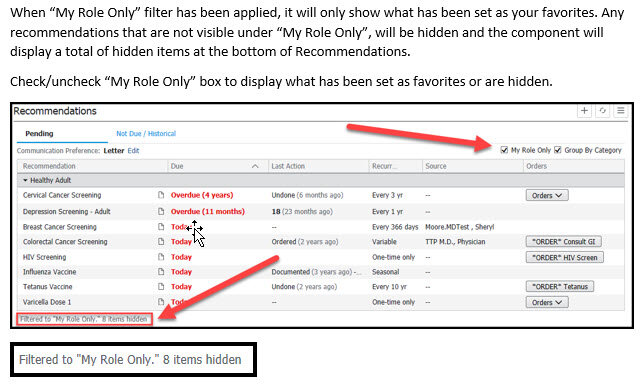
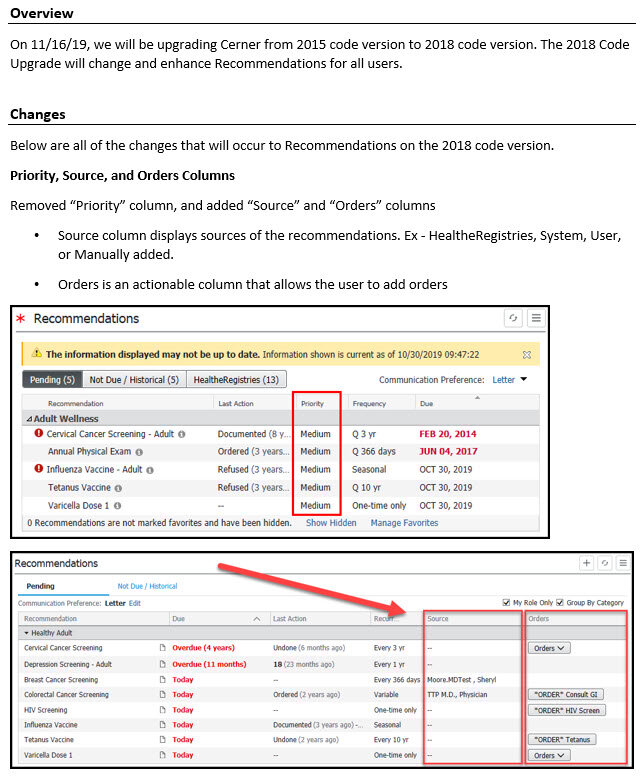
Recommendations: Code Upgrade Changes
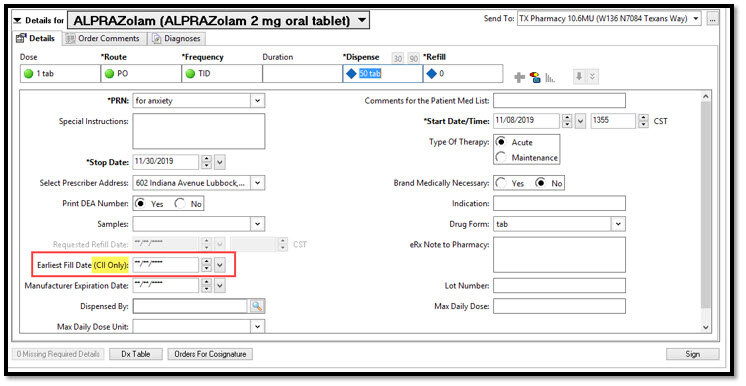
Code Upgrade: Earliest Fill Date
With the upgrade on November 16th, the ‘Earliest Fill Date’ field will be made available on all controlled prescriptions where previously it was only available on CII drugs. Using this field on a CIII-CV drug will cause the prescription to fail with a digital signature failure message sent back to the provider’s Message Center inbox or pool.
To mitigate the issue, we have added the note ‘(CII Only)’ to the field to help prompt providers that it should only be used on CII drugs.
After the NCPDP eRx uplift on December 9th, this field will become fully functional for all controlled prescriptions and the note will be removed.
Code Upgrade: Growth Charts
Radiology: MRI Breast Order Update
Radiology: MRI Breast orders update
To make ordering MRI Breast studies more concise because it is always a bilateral scan, unilateral MRI Breast orders will be removed and the ‘bilateral’ description will be removed. Even if a patient has had a mastectomy, both sides are always scanned to evaluate residual tissue.
MRI Breast orders after changes:
MRI Breast Biopsy
MRI Breast w/wo with CAD
MRI Breast w/o
UMC Imaging Team
Lab Orders with 2-Hour Frequency or Less
PLACING LAB ORDERS FOR A FREQUENCY OF EVERY 2 HOURS OR LESS
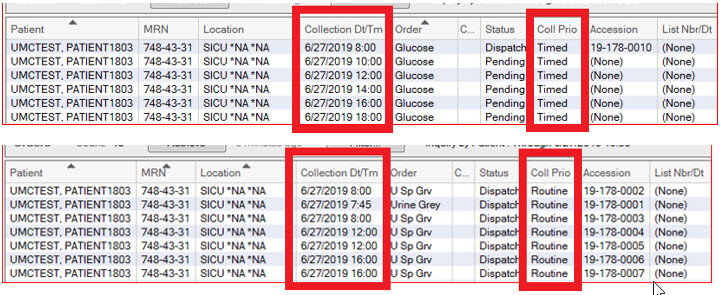
What’s the problem? Lab Orders that are entered with a Routine Priority and a Frequency of every 2 hours or less, Cerner will incorrectly combine every other specimen so that labels print with duplicate times and no labels print for missing times due to the specimen netting that occurs within Cerner.
Solution: To avoid the confusion with orders for duplicate times as seen in the above example for the Urine Specific Gravity, place all Lab orders with a frequency of 2qh or 1qh with a Priority as Timed.
Example:
A Random Glucose ordered as Timed q2h for 2 days and a Urine Random Specific Gravity ordered Routine q2h for 2 days. Even though the frequency shows correct on the orders screen in PowerChart, Collections Inquiry shows incorrect times for the Glucose but correct times for the Specific Gravity.
Orders shown in Powerchart with the correct time frequency:
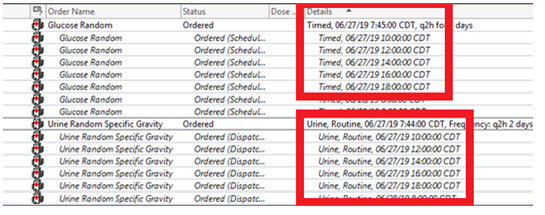
However, Collections Inquiry displays how the labels will print-Note the Urine Specific Gravity times are incorrect:
Social Services for Home Health Order Updates
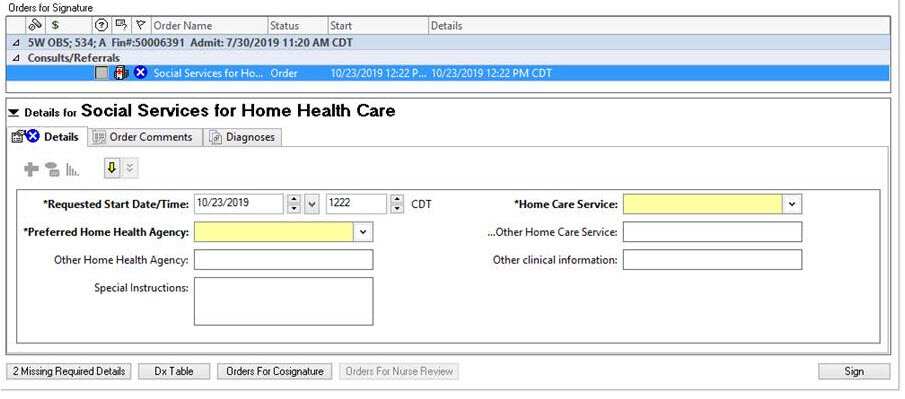
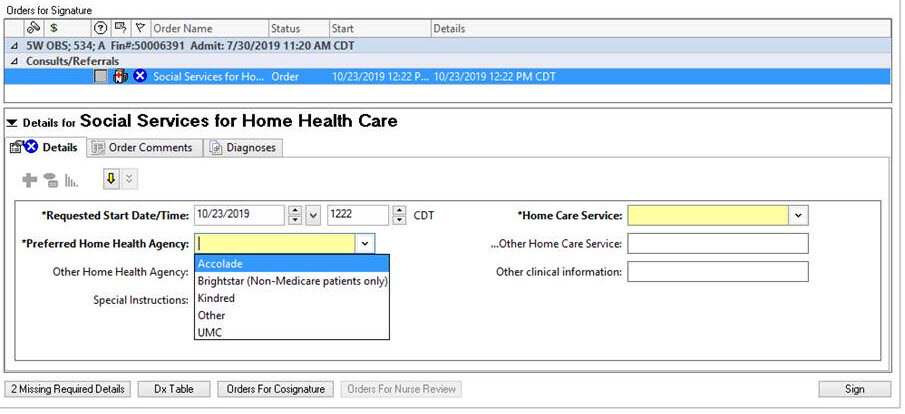
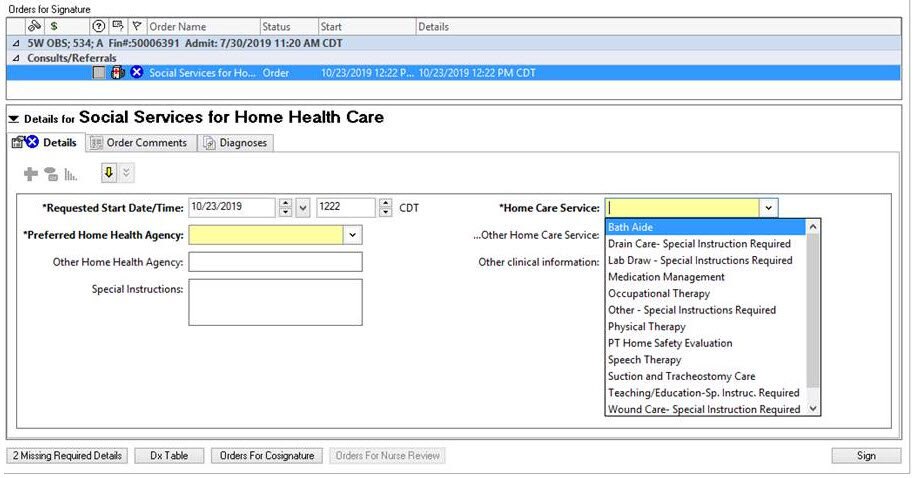
There are now required fields for home health agency and care service on the Social Services for Home Health order.
PowerChart Touch: Enabled Feature
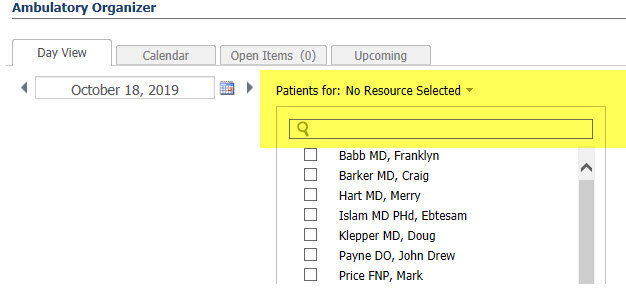
On November 11 there will be a feature enabled for all PowerChart Touch users. This new feature works to make the schedule in PowerChart Touch work like the ambulatory organizer.
Impact - Users will have to have the schedule that they are trying view as an available resource on the ambulatory organizer.
Providers using PC Touch need to go to a PC and open Powerchart. Navigate to the ambulatory organizer and select the providers schedules that they want to view in PowerChart Touch.
Recommendations: Annual Physical Exams
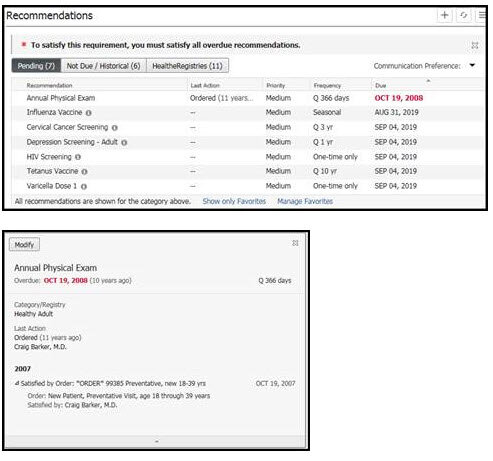
Annual Physical Exam recommendation is now live in Prod, and patients are slowly qualify, satisfying, and cancelling as the jobs finish processing all patients.
Recommendation:
Annual Physical Exam
Recommendation Qualifications:
Ages 3 to 64 years old
Recommendation Auto-Satisfiers:
New Patient, Preventative Visit, age 1 through 4 years
New Patient, Preventative Visit, age 5 through 11 years
New Patient, Preventative Visit, age 12 through 17 years
New Patient, Preventative Visit, age 18 through 39 years
New Patient, Preventative Visit, age 40 through 64 years
Established Patient, Preventative Visit, age 1 through 4 years
Established Patient, Preventative Visit, age 5 through 11 years
Established Patient, Preventative Visit, age 12 through 17 years
Established Patient, Preventative Visit, age 18 through 39 years
Established Patient, Preventative Visit, age 40 through 64 years